Is Sinus Lift Pain After Surgery Normal?
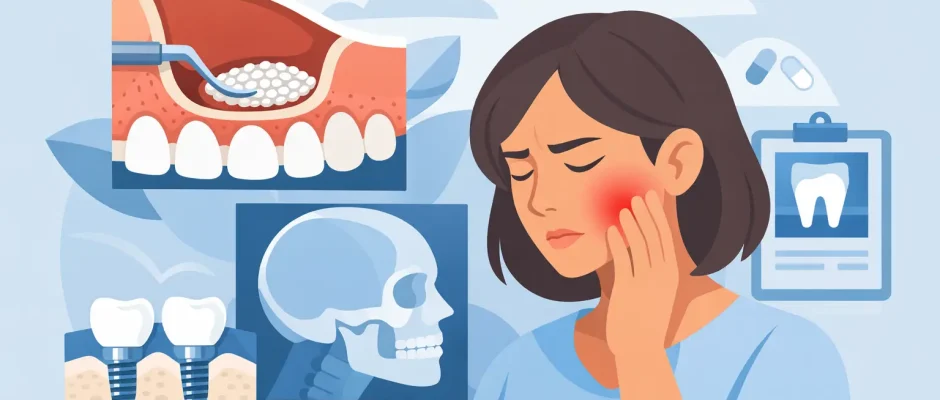
A sinus lift is performed in an area that is close to the maxillary sinus, bone, gum tissue, and often one or more implant sites. For that reason, sinus lift pain after surgery can feel different from discomfort after a simple extraction. Most patients experience pressure, tenderness, and swelling rather than severe pain, and these symptoms should gradually improve with each day.
The goal is not to ignore discomfort or simply “wait it out.” A predictable recovery depends on recognizing what is expected, following sinus precautions carefully, and contacting the surgical team promptly when symptoms do not follow the expected pattern.
What sinus lift pain after surgery usually feels like
A sinus lift, also called sinus augmentation, creates sufficient bone volume in the posterior upper jaw for stable implant placement. During the procedure, the sinus membrane is gently elevated and bone graft material is placed beneath it. The surgical area can therefore feel sore, full, or pressurized after anesthesia wears off.
During the first 24 to 72 hours, discomfort is commonly accompanied by cheek swelling, minor bruising, tenderness when chewing, and limited comfort when opening the mouth widely. Some patients describe a dull ache under the cheekbone or a sense of congestion on the treated side. These sensations can be normal when they remain mild to moderate and respond to the medication plan prescribed by the surgeon.
Pain experience varies. A small, single-site sinus lift may involve relatively little postoperative discomfort, while a lateral-window sinus lift combined with grafting, multiple implants, or extraction can require a longer recovery. Existing inflammation, smoking, uncontrolled diabetes, grinding, and difficulty maintaining sinus precautions can also affect healing.
The usual recovery pattern
Pain and swelling do not always peak on the day of surgery. Swelling often becomes more noticeable on the second or third day, then begins to settle. Bruising may become visible several days later and can take one to two weeks to fade.
By days four through seven, most patients notice a clear improvement in pain and can return to many routine activities, although the area may still be sensitive. Mild tenderness with chewing or brushing near the surgical site can persist longer, particularly after extensive grafting. Follow-up visits allow the surgeon to assess the incision, remove sutures if needed, and confirm that healing is progressing as planned.
Why pressure matters after a sinus lift
The sinus membrane needs time to heal around the graft. Sudden pressure changes inside the nose or sinus can disturb the surgical site, increase bleeding, or contribute to membrane complications. This is why postoperative instructions are not a formality. They are part of protecting the result.
Do not blow your nose unless your surgeon specifically tells you otherwise. If you need to sneeze, keep your mouth open and do not try to suppress it. Avoid forceful rinsing, drinking through a straw, heavy lifting, intense exercise, scuba diving, and air travel during the period your surgeon recommends. If seasonal allergies or a cold are causing frequent sneezing or congestion, contact the clinic for individualized advice rather than choosing over-the-counter medication without guidance.
A small amount of blood-tinged nasal drainage during the first day or two can occur. However, persistent bleeding from the nose, drainage that seems to contain graft particles, or a new passage of fluid between the mouth and nose should be reported without delay.
Controlling discomfort safely
Your surgeon’s written medication instructions take priority because they account for your medical history, allergies, other medications, and the extent of surgery. When pain medication is prescribed or recommended, taking the first dose before the local anesthetic fully wears off can prevent discomfort from becoming harder to control.
Use a cold compress against the cheek during the first day, generally in short intervals with a cloth barrier between the ice pack and skin. Keeping the head elevated when resting can help limit swelling. Choose cool or lukewarm soft foods at first, and chew on the opposite side when possible. Good hydration is helpful, but avoid actions that create suction in the mouth.
Oral hygiene still matters after surgery. Bacterial plaque around an incision can delay healing, yet aggressive brushing can traumatize the site. Clean the rest of the mouth normally, then follow the surgeon’s instructions regarding gentle brushing near the wound, prescribed rinses, or saline rinses. Do not start rinsing earlier or more forcefully than advised.
Smoking and vaping deserve special attention. Nicotine reduces blood supply to healing tissues and increases the risk of wound complications and graft failure. A sinus lift and implant treatment represent a significant investment in long-term oral health, so stopping nicotine use before and after surgery is one of the most practical steps a patient can take to protect the outcome.
Symptoms that require a call to your surgeon
A recovery that becomes worse rather than better needs assessment. Severe pain that is not controlled by the prescribed plan, especially after an initial period of improvement, is not something to manage alone. It may indicate infection, a developing sinus issue, a wound problem, or another complication that requires clinical examination.
Contact your surgeon promptly if you have fever, increasing facial swelling after the third day, spreading redness, foul taste or odor, pus-like discharge, persistent heavy bleeding, or numbness that worsens instead of improving. Also report a sensation of air passing between the mouth and nose, fluid coming through the nose when drinking, or visible graft material in the mouth or nose.
Urgent medical evaluation is appropriate for difficulty breathing, swelling around the eye, visual changes, significant facial asymmetry that develops rapidly, or a severe headache with high fever. These symptoms are uncommon, but acting early is the safer course.
Pain is not the only measure of healing
Some complications cause minimal pain at first. Conversely, swelling and bruising can look dramatic while the surgical site is healing normally. This is why photographs, a phone call, and a planned postoperative review can be more reliable than trying to judge healing by discomfort alone.
At Implantolog.co.il, postoperative care is planned as part of surgical treatment, not as an afterthought. A procedure performed with careful imaging, atraumatic technique, appropriate grafting materials, and a clear recovery protocol gives the patient the best conditions for predictable healing. It also provides a clear route for questions when recovery does not feel typical.
When a sinus infection is a concern
After a sinus lift, congestion alone does not automatically mean infection. Dryness, mild pressure, and temporary changes in nasal sensation may occur as local swelling resolves. A true sinus problem is more likely when there is worsening one-sided facial pressure, persistent foul-smelling nasal discharge, fever, increasing pain, or symptoms that continue beyond the expected recovery period.
Do not self-prescribe antibiotics or use strong nasal sprays without discussing them with the treating surgeon or physician. The correct treatment depends on the source of symptoms, the procedure performed, and whether the sinus membrane was intact at surgery. In some cases, observation and supportive care are sufficient; in others, timely medication or coordination with an ear, nose, and throat specialist may be needed.
Questions patients often ask
Can I take pain medication if I have little pain?
Take medication only as instructed. Some medications are prescribed on a schedule for the first day or two, while others are intended only when needed. Avoid exceeding the recommended dose and tell the surgical team about all prescription medicines, blood thinners, supplements, and anti-inflammatory drugs you use.
How long should I avoid exercise?
Light walking is often acceptable soon after surgery, but strenuous exercise can raise blood pressure and sinus pressure. The timing depends on the size of the sinus lift, whether implants or extractions were performed at the same visit, and your individual recovery. Follow the plan given for your case.
Can I fly after a sinus lift?
Flying may be restricted because cabin pressure changes can stress the healing sinus. The safe interval is individualized, particularly after larger grafting procedures or when congestion is present. Ask before booking travel rather than assuming you will be ready in a few days.
A well-managed recovery is usually quiet: discomfort decreases, swelling settles, and confidence returns as normal routines resume. Keep your postoperative instructions available, protect the sinus from pressure, and contact your surgeon early if the pattern changes. A quick review is often the simplest way to preserve both comfort and the long-term result of the graft.


Comments (0)