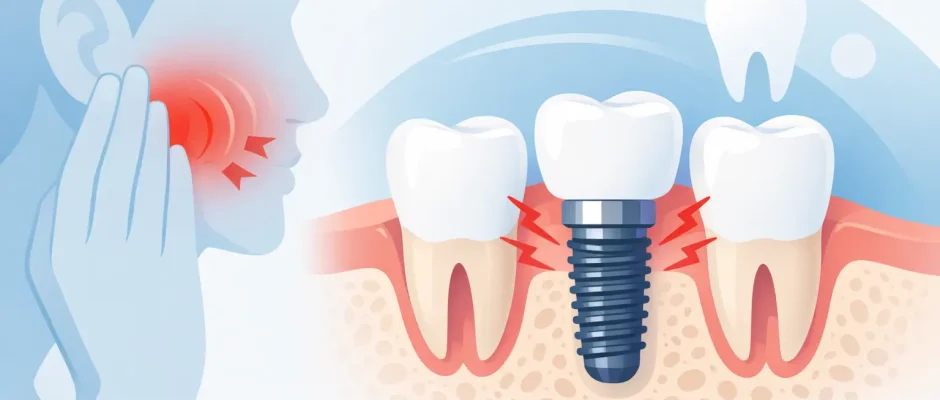
The first night after implant surgery is when most patients ask the same question: is this level of pain expected, or is something wrong? That is exactly why the topic of dental implant pain – what is normal matters so much. A clear understanding of normal healing reduces unnecessary anxiety, but it also helps you recognize the situations that should not be ignored.
Most dental implants are placed with local anesthesia, often through a precise surgical protocol designed to minimize tissue trauma. That matters. Pain after implant placement is real, but in uncomplicated cases it is usually manageable, temporary, and more closely related to inflammation in the gum and bone than to the implant itself. In other words, soreness is common. Severe, escalating, or delayed pain is not something to simply “wait out.”
Dental implant pain – what is normal in the first days
For most patients, the expected pattern is fairly predictable. The area is numb during the procedure, then discomfort begins as the anesthesia wears off. The first 24 to 72 hours are usually the most noticeable. During this period, mild to moderate throbbing, tenderness when chewing, and soreness in the gum are common.
Swelling often peaks around day two or three, and that swelling can make the area feel more painful than it actually is. If the implant was placed together with bone grafting, sinus lift, immediate implantation after extraction, or several implants in one session, the recovery can be more intense. That does not automatically mean there is a complication. It often reflects the scale of the procedure.
Many patients are surprised that the pain is not sharp and constant. More often, it feels like pressure, bruising, or localized aching. You may also notice that the surrounding teeth and jaw feel “aware” for a few days. This is a typical response of tissues that have been manipulated surgically.
How much pain is usually expected after implant surgery
A straightforward single implant in good bone with minimal flap elevation tends to have the easiest recovery. In these cases, pain is often well controlled with standard post-op medication and simple precautions. Some patients compare it to the discomfort after a tooth extraction, and others say it is easier than they expected.
The situation changes when the case is more complex. If there was a difficult extraction, additional bone augmentation, sutures under tension, or reduced bone volume, post-operative soreness can last longer and feel stronger. Smoking, poor sleep, uncontrolled diabetes, and high baseline anxiety can also affect the pain experience.
This is why blanket statements are not very helpful. Normal pain is not defined only by intensity. It is defined by the overall trend. If symptoms gradually improve, even if recovery is not perfectly comfortable, that is usually reassuring. If pain gets worse instead of better, the pattern matters more than the number on a pain scale.
What normal healing often looks like
In uncomplicated healing, you may notice soreness for several days, some swelling, minor bruising, and sensitivity when touching the gum or chewing near the site. Opening the mouth can feel tight if the implant is in the back of the jaw. Small traces of blood in saliva on the first day can also happen.
Another common concern is pain at the injection sites or in the jaw muscles from keeping the mouth open during treatment. Patients sometimes assume the implant is the source, when the discomfort actually comes from the soft tissues around it. This distinction is useful, because not every post-op symptom means the implant itself is in trouble.
What is not considered normal
Pain that becomes significantly stronger after day three or four deserves attention. The same applies to throbbing pain that wakes you from sleep, bad taste or odor from the area, pus, fever, or swelling that continues to enlarge instead of settling down. These findings can suggest infection, excessive pressure, food impaction around the site, or a healing problem.
Pain when biting several weeks later is another situation that should be evaluated. An implant should not feel like a natural tooth with a ligament around it. So if there is distinct tenderness on pressure after the early healing phase, your surgeon may want to check the soft tissue, bite forces, stability, or the condition of adjacent teeth.
Why pain happens after implant placement
The body responds to surgery with inflammation. That is not a flaw in the process. It is part of healing. Blood vessels dilate, immune cells arrive, fluid accumulates, and the tissues become more sensitive. Bone and gum both react this way after implant placement.
The degree of pain depends on several variables: surgical complexity, bone density, the need for grafting, how much the gum was reflected, and whether the implant was placed immediately after extraction. Precision also matters. Digital planning, guided surgery, and microsurgical principles can reduce unnecessary trauma, which often translates to less swelling and a smoother recovery.
That said, even excellent surgery does not mean zero discomfort. A well-executed procedure should aim for controlled healing, not a promise that you will feel nothing afterward.
How long does dental implant pain usually last
Most patients feel the most discomfort during the first few days. After that, symptoms usually improve steadily over one to two weeks. Mild sensitivity in the gum can last longer, especially if a healing cap rubs against the tissue or if sutures remain in place.
Bone healing continues for much longer than pain does. Osseointegration takes weeks to months, depending on the clinical situation. During that phase, you should not be experiencing ongoing significant pain. If you are, the area should be examined rather than monitored passively.
A useful rule is this: early discomfort that fades is usually normal. Pain that appears late, intensifies, or persists without improvement is not something to self-diagnose.
When to call your implant dentist
If pain is severe despite medication, if swelling is increasing after the third day, or if you notice fever, drainage, a foul taste, or unusual mobility in the area, contact your surgeon. The same applies if a temporary restoration feels too high, if you cannot bite comfortably, or if the pain suddenly increases after an initially quiet recovery.
Sometimes the issue is minor and easily corrected. A suture may be irritating the tissue. A healing abutment may need adjustment. Food debris may be trapped under the gum. In other cases, early intervention is more important, especially if an infection or overload is developing.
Patients often hesitate because they do not want to “overreact.” In implant surgery, timely communication is not overreacting. It is part of a safe post-operative protocol.
What helps reduce pain after surgery
The basics still matter. Take medications exactly as prescribed, use cold packs in the first day if advised, avoid smoking, and do not test the area with your tongue or fingers. Eat softer foods and keep chewing away from the surgical site for the period recommended by your doctor.
Oral hygiene also influences pain. The goal is to keep the area clean without traumatizing it. Depending on the case, your surgeon may recommend gentle brushing around the site and an antiseptic rinse. Good plaque control reduces the risk of inflamed gums around the implant during early healing.
Rest matters more than many patients expect. Intense exercise, alcohol, poor sleep, and smoking can all amplify inflammation. If bone grafting or sinus elevation was performed, post-op instructions may be more specific, and following them closely can make a noticeable difference in comfort.
A note for patients with low pain tolerance or high anxiety
Pain is not only a tissue event. It is also a nervous system experience. Patients with dental anxiety often perceive normal post-operative sensations as more alarming, and that can make recovery feel harder. This does not mean the pain is imaginary. It means context matters.
A surgeon who explains the expected timeline, uses atraumatic technique, and gives clear aftercare instructions usually makes recovery easier before the procedure even begins. Predictability lowers stress, and lower stress often lowers the pain burden. This is one reason careful planning and patient communication are not extras – they are part of treatment quality.
If you are preparing for implant placement and worry about pain, the best question is not “Will it hurt?” Some discomfort is possible with any surgery. The better question is whether the procedure is being planned and performed in a way that minimizes trauma, controls risk, and gives you a clear recovery roadmap. When those pieces are in place, normal healing is usually very manageable, and you know exactly when it is time to ask for help.


