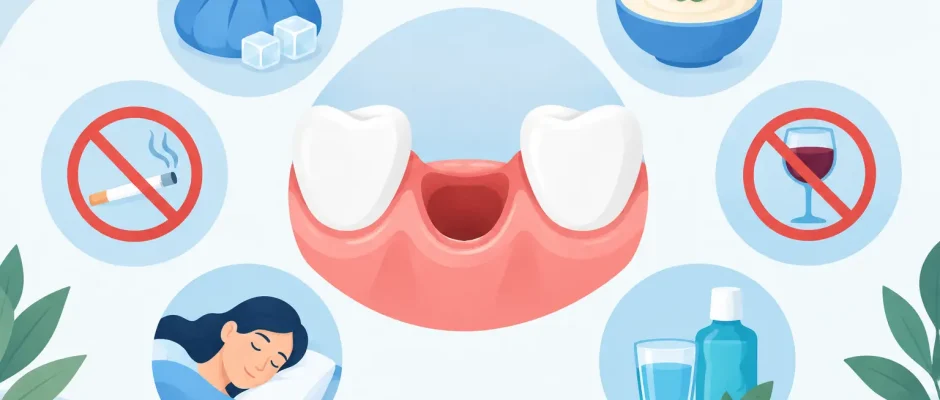
Dry Socket Prevention Tips After Tooth Extraction
The first few days after a tooth extraction are not a time to test how quickly you can return to normal. The blood clot inside the socket is the foundation of early healing: it protects bone and nerve endings while new tissue forms. These dry socket prevention tips focus on protecting that clot, controlling swelling and discomfort safely, and recognizing when recovery is not following the expected course.
Dry socket, also called alveolar osteitis, occurs when the clot dissolves too early, becomes dislodged, or fails to develop adequately. It is more common after difficult extractions, especially lower wisdom teeth, but it can occur after any extraction. It is usually not a sign that the surgery was performed incorrectly. Rather, it is a healing complication influenced by local trauma, oral bacteria, smoking, pressure changes in the mouth, and individual risk factors.
Why the Blood Clot Needs Protection
A fresh extraction socket is not an open wound to be cleaned aggressively. In the first 24 hours, the clot is fragile. Suction, forceful rinsing, spitting, smoking, and vigorous physical activity can disturb it before it stabilizes.
A normal clot may look dark red, brown, or almost black. This appearance alone is not concerning. A yellow-white layer that develops over the following days can also be normal healing tissue. Do not attempt to remove material from the socket with a toothbrush, finger, cotton swab, or water flosser. If something looks unusual, contact the surgical office rather than trying to inspect or clean the area yourself.
The instructions provided after surgery should always take priority, particularly after a surgical wisdom tooth removal, bone grafting, sinus lift, immediate implant placement, or a procedure involving sutures. These procedures may require added precautions tailored to the surgical site.
Dry Socket Prevention Tips for the First 24 Hours
After extraction, bite steadily on the gauze as instructed. Firm, even pressure helps stabilize the clot. Changing gauze too often, talking continuously while biting on it, or repeatedly checking the socket can interrupt this process. Once active bleeding has slowed to light oozing, gauze is usually no longer needed unless your surgeon advises otherwise.
Avoid rinsing your mouth, spitting forcefully, or using a straw during the first day. The issue is not the beverage itself but the suction and pressure created in the mouth. Drink from a cup and let saliva leave the mouth gently if necessary. If you have been given a prescription mouth rinse, use it only according to the timing and technique recommended by your surgeon.
Choose cool or room-temperature soft foods such as yogurt, eggs, mashed vegetables, soft pasta, or a smoothie taken without a straw. Avoid very hot drinks and foods while numb, since you may accidentally burn the lip, tongue, or cheek. Hard, crumbly foods such as nuts, chips, seeds, popcorn, and crackers can lodge in the socket and irritate the surgical area.
Rest with your head elevated, especially during the first night. A short walk is fine, but postpone gym workouts, heavy lifting, running, and strenuous housework. Increased blood pressure can restart bleeding and may contribute to swelling and throbbing around the extraction site.
Smoking, Vaping, and Alcohol: A Real Risk Factor
Smoking is one of the most preventable contributors to dry socket. Tobacco smoke exposes healing tissue to heat and toxins, reduces blood flow, and involves a sucking motion that can disturb the clot. Vaping is not a safe substitute in this period: it still creates suction and may irritate the surgical site. Cannabis smoking carries similar concerns.
The ideal approach is to avoid smoking and vaping before surgery and throughout the initial healing period. The precise timeframe depends on the procedure and your personal risk profile, so ask your surgeon for a specific recommendation. If stopping is difficult, discuss it honestly before treatment. A plan for nicotine replacement or additional support may be safer than trying to manage cravings after surgery without guidance.
Alcohol should also be avoided while bleeding is active, while taking prescription pain medication or antibiotics, and for the duration advised by your clinician. Alcohol can interfere with healing behavior, increase irritation, and create unsafe interactions with medication.
Caring for the Socket From Day Two Onward
After the first 24 hours, gentle oral hygiene becomes part of dry socket prevention. Brush the rest of your teeth carefully, keeping the toothbrush away from the socket and any sutures unless told otherwise. A clean mouth reduces bacterial accumulation without mechanically disrupting the wound.
Many patients are advised to begin gentle warm saltwater rinses after the first day. The key word is gentle. Let the liquid move around the mouth rather than swishing forcefully, then allow it to fall out without spitting. Some surgical cases require a medicated rinse or a different schedule, particularly when graft material, membranes, or complex flap surgery are involved.
Continue with soft foods until chewing feels comfortable and does not place pressure on the extraction site. If food becomes trapped, do not probe the area. Your surgeon may recommend a syringe for careful irrigation later in healing, but this is not appropriate immediately after every extraction. The correct timing depends on the location of the tooth, the depth of the socket, and the type of surgery performed.
Use Pain Medication as Directed
Pain relief is not only about comfort. When pain is controlled, patients are more likely to sleep, hydrate, eat appropriately, and follow postoperative instructions. Take medications exactly as prescribed or recommended. Do not combine medications, exceed labeled doses, or add over-the-counter products without checking for duplicate ingredients.
For many patients, an anti-inflammatory medication and acetaminophen can be effective when used appropriately. However, this depends on your medical history. Ulcers, kidney disease, liver disease, anticoagulant use, pregnancy, allergies, and other conditions can change what is safe. If antibiotics are prescribed, complete the course exactly as directed unless your surgeon tells you to stop because of a reaction.
Applying a cold pack intermittently to the outside of the face during the first day may limit swelling. Keep a cloth barrier between the pack and skin. After the first 24 to 48 hours, your surgeon may recommend warm compresses if jaw stiffness is present.
When the Risk of Dry Socket Is Higher
Some extractions carry a higher baseline risk. Lower impacted wisdom teeth, extensive bone removal, infection around the tooth, traumatic extraction, and a history of previous dry socket can all affect healing. Hormonal factors, including oral contraceptive use, may also be relevant for some patients.
This does not mean dry socket is inevitable. It means the surgical plan and postoperative care deserve closer attention. In complex cases, precise surgical technique, gentle tissue handling, thorough debridement, suturing when indicated, and individualized follow-up help create more predictable conditions for healing. At Implantolog.co.il, postoperative instructions are matched to the procedure rather than treated as a one-size-fits-all checklist.
Tell your surgeon before treatment about smoking, medications, blood thinners, diabetes, immune conditions, prior radiation therapy, allergies, and previous complications after dental procedures. Accurate medical information allows the surgical team to reduce avoidable risks before the extraction begins.
Signs You Should Contact Your Surgeon
Some soreness, swelling, mild bruising, and limited jaw opening are common after extraction. Discomfort often peaks around the second or third day, then gradually improves. Dry socket more often presents as pain that becomes noticeably stronger after initial improvement, often between days two and five.
Contact your surgeon promptly if you develop severe throbbing pain that radiates toward the ear, temple, or jaw, a persistent foul taste or odor, fever, worsening facial swelling, difficulty swallowing or breathing, uncontrolled bleeding, or a rash or other medication reaction. Do not place aspirin, clove oil, alcohol, or home remedies directly into the socket. These can burn tissue, delay healing, or make clinical assessment more difficult.
Dry socket is treatable. A surgeon can gently clean the area when appropriate, place a soothing medicated dressing if indicated, and adjust the pain-control plan. Seeking help early is more comfortable than waiting for severe pain to become unmanageable.
A calm, careful recovery protects the work done during surgery. Follow the instructions for your specific procedure, give the clot time to stabilize, and contact your surgical team whenever a symptom feels out of proportion to what you were told to expect.


