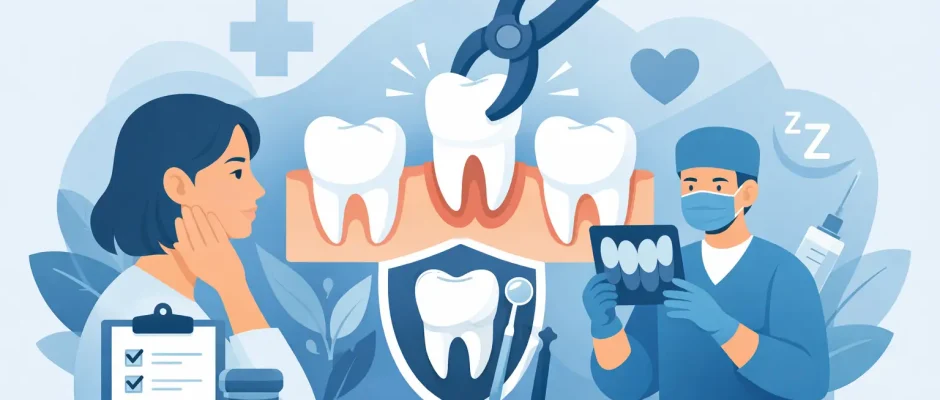
A tooth extraction usually feels most stressful before it happens, not during the procedure itself. Patients rarely worry about the technical part alone – they worry about surprises, pain, swelling, or missing one detail that could complicate healing. If you are wondering how to prepare for tooth extraction, the goal is simple: reduce risk, make the surgery day smoother, and set up a cleaner recovery from the first hour.
Preparation is not the same for every case. A loose baby tooth, a fractured molar, and an impacted wisdom tooth are very different clinical situations. The plan also changes if extraction is being done because of infection, before implant placement, or as part of a larger restorative treatment. Good preparation starts with understanding your specific case, not with generic advice.
How to Prepare for Tooth Extraction Before the Appointment
The most useful first step is a proper surgical consultation. This is where the dentist or oral surgeon reviews the tooth, the surrounding bone, the roots, nearby nerves and sinuses if relevant, and the condition of the gums. In many cases, a standard X-ray is enough. In more complex situations, especially with impacted teeth or planning for immediate implant placement, 3D imaging may be recommended because it gives a more precise anatomical map.
That diagnostic phase matters more than patients sometimes realize. It is what helps the surgeon decide whether the extraction is expected to be straightforward, whether the tooth may need sectioning, whether sutures are likely, and whether bone preservation procedures should be discussed. If the tooth is in an esthetic area or implant treatment is planned later, the conversation may also include socket preservation, grafting materials, or PRF to support healing.
At this stage, be very clear about your medical history. Do not minimize anything because it seems unrelated to dentistry. Blood pressure issues, diabetes, heart conditions, autoimmune disease, pregnancy, previous radiation therapy, and a history of difficult bleeding can all influence the protocol. The same is true for allergies and past reactions to anesthetics, antibiotics, or pain medications.
Medications and supplements to discuss
One of the most common preparation mistakes is assuming all routine medications can simply be continued or stopped on your own. That is not safe. If you take blood thinners, antiplatelet drugs, diabetes medication, steroids, bisphosphonates, or immunosuppressive therapy, the dentist needs to know well in advance. The correct plan may involve no change at all, or it may require coordination with your physician. The key point is this: never stop prescribed medication without direct instructions.
Over-the-counter products matter too. Aspirin, ibuprofen, certain herbal supplements, vitamin E, fish oil, and similar products can affect bleeding or recovery in some cases. Again, this does not automatically mean you need to stop them, but your surgeon should have the full list.
Food, Fasting, and Day-of-Surgery Planning
Many patients ask whether they should eat before extraction. It depends on the type of anesthesia or sedation planned. If the procedure will be done under local anesthesia only, a light meal a few hours before the appointment is often helpful. Coming in hungry, anxious, and dehydrated can make patients feel worse, not better.
If sedation is planned, the instructions are different and need to be followed exactly. You may be told not to eat or drink for a specific number of hours beforehand. This is one area where guessing is a bad idea. If your clinic gives fasting instructions, treat them as part of the medical protocol, not a suggestion.
Hydration is usually beneficial unless you were instructed otherwise. It also helps to avoid alcohol the day before and to limit smoking or vaping. Nicotine reduces blood supply to healing tissues and increases the risk of delayed healing and dry socket, especially after surgical extraction.
Clothing, transport, and practical details
Wear comfortable clothing and avoid anything that adds unnecessary stress. If sedation is involved, arrange for someone to bring you home and, ideally, stay with you for a period after the appointment. Even if you feel alert, reflexes and judgment may not be fully back to normal.
Do not schedule extraction right before an important meeting, a flight, or a physically demanding event if you can avoid it. Recovery after simple extraction may be easy, but some cases produce swelling, limited mouth opening, or fatigue for several days. A realistic schedule reduces frustration.
Questions to Ask Before the Tooth Is Removed
An informed patient tends to recover more calmly. You do not need every technical detail, but you should understand the essentials. Ask whether the extraction is expected to be simple or surgical, whether stitches are likely, how pain is usually managed, and what level of swelling is normal for your case.
If the tooth is being removed because it cannot be saved, it is also reasonable to ask what happens next. Will the area be left to heal naturally? Is bone preservation recommended? Is immediate implant placement possible, or is delayed placement safer? The right choice depends on infection level, bone volume, soft tissue condition, and bite forces. There is no single best answer for every patient.
For patients in visible smile zones, planning ahead matters even more. If a front tooth is being removed, discuss temporary replacement before the extraction day, not after. That could involve a provisional crown, a removable temporary option, or another restorative plan depending on the case.
Preparing Your Home for Recovery
A smoother recovery often depends on what you do before you leave for the clinic. Have soft foods ready at home so you do not need to think about shopping afterward. Yogurt, eggs, soups that are not too hot, mashed vegetables, oatmeal, smoothies eaten with a spoon if advised, and other soft foods are usually practical choices.
Set up the basics in advance: prescribed medications, gauze if recommended, a cold pack, water, and a clean place to rest. This sounds simple, but it helps. The first few hours after extraction are not the right time to start reading medication labels or deciding what you can eat.
If you have children or a demanding work schedule, plan for reduced activity. Most patients do best with a quieter day after extraction. Heavy exercise, bending, and strenuous effort can increase bleeding and throbbing. For some people that restriction is only for a short time, while after more invasive surgery it may need to be longer.
What Not to Do Before and After Extraction
Preparation also means avoiding habits that increase complications. Do not arrive with untreated anxiety and assume you will somehow manage. If dental fear is significant, say so ahead of time. A calm, structured plan is part of treatment, not an extra.
Do not smoke right before surgery. Do not take medications that were not approved for you just because a friend recommended them. Do not plan to drive yourself if you are receiving sedatives. And do not ignore signs of active infection such as fever, facial swelling, or rapidly increasing pain before the appointment – the clinic needs to know.
After extraction, follow the instructions exactly, especially regarding rinsing, spitting, straws, smoking, and physical exertion. The blood clot that forms in the socket is not a small detail. It is the biological foundation of early healing. If it is dislodged, pain can increase sharply and recovery becomes more difficult.
How to Prepare for Tooth Extraction if You Plan an Implant
When extraction is part of implant treatment, preparation becomes more strategic. The surgeon is not only removing a tooth but also protecting the conditions needed for a stable future restoration. That may include preserving socket walls, minimizing trauma to soft tissue, and deciding whether grafting or immediate implant placement makes sense.
This is where a more surgical, protocol-driven approach matters. In well-selected cases, careful extraction techniques, digital planning, and biologic support such as PRF can help create a more predictable healing environment. But immediate implant placement is not always the best option. If infection is extensive, bone support is compromised, or primary stability cannot be achieved, delaying the implant may be safer and more predictable.
For patients considering treatment in a surgical practice such as Implantolog in Tel Aviv, this planning phase is often one of the main reasons anxiety drops. When the sequence is clear – diagnosis, extraction protocol, healing strategy, and tooth replacement plan – the procedure feels less like a sudden event and more like a controlled treatment process.
The Mental Side of Preparation
Patients often prepare medically and forget to prepare psychologically. That matters. Most extractions are remembered as much easier than expected, especially when anesthesia is effective and the process has been explained properly. Fear usually grows in the absence of specifics.
If you tend to get anxious, ask the clinic what the appointment will look like from start to finish. Knowing how long it may take, what sensations are normal, and when to start pain relief can make the experience feel far more manageable. Calm is not accidental in surgery. It is usually the result of good planning, clear communication, and disciplined technique.
A well-prepared extraction is not just about getting a tooth out. It is about protecting the tissues, reducing complications, and making the next step – whether simple healing or implant reconstruction – more predictable. The best preparation is honest communication, careful diagnostics, and a recovery plan already waiting for you at home.


