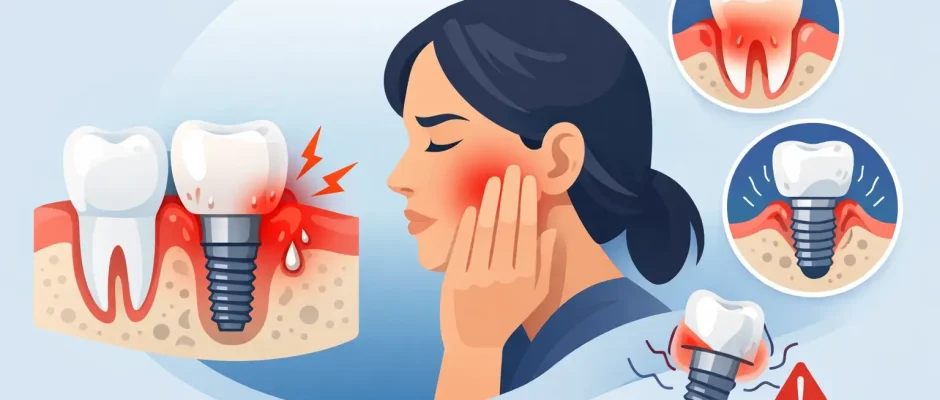
Dental Implant Rejection Symptoms to Watch
A patient often calls a few days after implant surgery with the same concern: “Is this normal, or is my body rejecting the implant?” That question matters because dental implant rejection symptoms are widely misunderstood. In reality, true rejection is uncommon. What patients usually notice is either a normal healing response, an early infection, mechanical overload, or a failure of the implant to integrate with bone.
Knowing the difference can save time, reduce anxiety, and protect the result.
What people mean by dental implant rejection symptoms
Unlike an organ transplant, a dental implant is typically made of titanium or zirconia, materials chosen for biocompatibility. The body does not usually “reject” the implant in the classic immunologic sense. When patients use the phrase dental implant rejection symptoms, they are usually describing signs that the implant is not healing properly or is losing stability.
From a clinical standpoint, the more accurate concerns are failed osseointegration, peri-implant infection, soft tissue complications, or overload during healing. The distinction is not just academic. Each problem has a different cause, a different timeline, and a different treatment strategy.
What is normal after implant placement
Some discomfort is expected after surgery, especially in the first 48 to 72 hours. Mild swelling, tenderness when chewing near the area, slight bruising, and a small amount of bleeding or pink saliva can all be part of uncomplicated recovery. If bone grafting or sinus augmentation was performed at the same time, swelling may be more noticeable and last a bit longer.
Symptoms should gradually improve, not intensify. That trend matters more than any single sensation. A patient who feels somewhat swollen on day two but clearly better on day four is usually healing normally. A patient who becomes more painful, more swollen, or develops a bad taste after initial improvement needs evaluation.
Dental implant rejection symptoms that should not be ignored
The most concerning sign is mobility. A dental implant should not feel loose. The crown or temporary restoration can sometimes loosen without the implant itself failing, so this needs professional assessment, but any movement sensation deserves prompt attention.
Persistent or increasing pain is another warning sign. Mild soreness is common early on. Pain that becomes stronger after several days, wakes you at night, or continues beyond the expected healing window can point to infection, pressure from an ill-fitting temporary, or impaired integration.
Swelling that worsens instead of settling down is also suspicious, particularly if it is accompanied by throbbing, warmth, or facial asymmetry. Infection around an implant can begin in the soft tissue and then affect the bone supporting it.
Pus, drainage, or a persistent bad taste are more specific red flags. These signs suggest bacterial contamination and require treatment, not observation alone.
Bleeding that continues beyond the immediate postoperative phase, especially when combined with inflamed gums, may indicate tissue irritation or peri-implant mucositis. Left untreated, superficial inflammation can progress to peri-implantitis, where bone loss develops around the implant.
Another important symptom is gum recession or visible metal where the tissue previously looked stable. This does not always mean the implant is failing, but it can signal soft tissue breakdown, bone remodeling, or a problem with implant position and load.
Numbness, tingling, or altered sensation are less common but clinically significant. These symptoms are not typical “rejection,” yet they may indicate nerve irritation or compression and should be addressed quickly.
Early vs late failure – timing changes the diagnosis
When dental implant rejection symptoms appear early, within days or weeks of surgery, the likely causes are usually infection, overheating of bone during placement, inadequate primary stability, unrecognized bone deficiency, or excessive force on the implant during healing. Smoking, uncontrolled diabetes, poor oral hygiene, and untreated periodontal disease increase the risk.
Late problems, months or years later, more often involve peri-implantitis, chronic overload from bite forces, bruxism, or prosthetic design issues that make cleaning difficult. In other words, an implant can be placed correctly and still develop problems if maintenance, tissue health, or occlusion are not controlled over time.
This is why one-size-fits-all advice is unreliable. A tender implant at one week and a bleeding implant at three years are very different clinical situations.
Conditions that mimic implant rejection
One common source of confusion is a loose healing cap or crown. Patients may feel movement and assume the implant itself has failed, when in fact only the component above the implant is loose. That is still something to fix promptly, but it is often a much simpler problem.
Another possibility is food impaction and gum irritation around the surgical site. Inflamed tissue can look dramatic and feel sore without indicating true implant instability.
Sinus-related symptoms may also be misread after upper jaw surgery. Pressure, congestion, or fullness can occur when implants are placed in the posterior maxilla, especially if sinus lift procedures were involved. These symptoms need monitoring, but they do not automatically mean failure.
Teeth next to the implant can also be the real source of pain. A cracked tooth, residual infection from an adjacent root, or bite trauma may create symptoms that seem to come from the implant area.
Why implants fail even when the surgery was technically correct
Patients often think failure means a surgical mistake. Sometimes it does not. Bone biology, bacterial control, systemic health, and load management all influence the outcome.
For an implant to integrate, the surrounding bone must heal tightly against its surface without disruption. If the implant is subjected to too much micromovement early on, the body may form fibrous tissue instead of stable bone attachment. The implant may remain in place for a period but never achieve true integration.
This is where treatment planning matters. Digital imaging, assessment of bone volume and density, prosthetically driven positioning, surgical guides in appropriate cases, and careful management of soft tissue all improve predictability. In more complex cases, bone grafting, PRF protocols, or staged treatment can reduce risk, even if they make the process longer.
What to do if you notice dental implant rejection symptoms
Do not test the implant with your fingers or tongue. Repeatedly pushing on the area can worsen mobility or irritate healing tissue. Do not continue chewing on that side if the implant feels unstable or painful.
Contact your implant surgeon and describe the timing, intensity, and progression of symptoms. A useful message includes whether pain is getting worse, whether there is swelling, drainage, foul taste, fever, or a sensation of looseness. Clear clinical details help determine urgency.
Try not to self-medicate beyond the postoperative plan you were given. Starting leftover antibiotics on your own can blur the clinical picture and is not a substitute for diagnosis. Warm salt water rinses may be appropriate in some cases, but they are supportive care, not treatment for implant failure.
How dentists confirm whether an implant is failing
Diagnosis starts with an examination. The doctor checks tissue appearance, implant stability, pain on palpation, bite forces, and the condition of any crown or temporary component. X-rays help show whether there is bone loss around the implant or a gap suggesting failed integration.
Sometimes the implant is stable and salvageable with local treatment, occlusal adjustment, improved hygiene access, or management of peri-implant inflammation. In other cases, the implant has to be removed, the site cleaned, and the area allowed to heal before replacement. While disappointing, removal is not the end of the story. Many failed implants can be successfully replaced after the cause is identified and corrected.
Can implant failure be prevented?
Risk can be reduced, not eliminated. Good planning before surgery matters as much as technical skill during surgery. Patients should also know that prevention continues after placement.
The strongest protective factors are careful diagnostics, control of gum disease, smoking reduction or cessation, good oral hygiene, and regular follow-up. For patients who grind their teeth, bite management is critical. For patients with reduced bone volume, a more advanced surgical plan may be safer than trying to force a simpler approach.
This is especially relevant in complex cases, where the goal is not just placing an implant but placing it in a way that remains healthy under function for years. That may mean staged treatment, soft tissue augmentation, or a guided protocol to improve implant position and load distribution.
If you are worried about symptoms after implant surgery, the safest approach is simple: do not wait for certainty. Most concerns turn out to be manageable when assessed early, and even true complications are easier to treat before more bone and tissue are lost. A calm, timely exam usually replaces fear with a clear plan.


